News

Complete Guide to Diesel Generator Maintenance: Understanding Service Items, Schedules, and Cost Budgeting

Published on 26 February, 2026
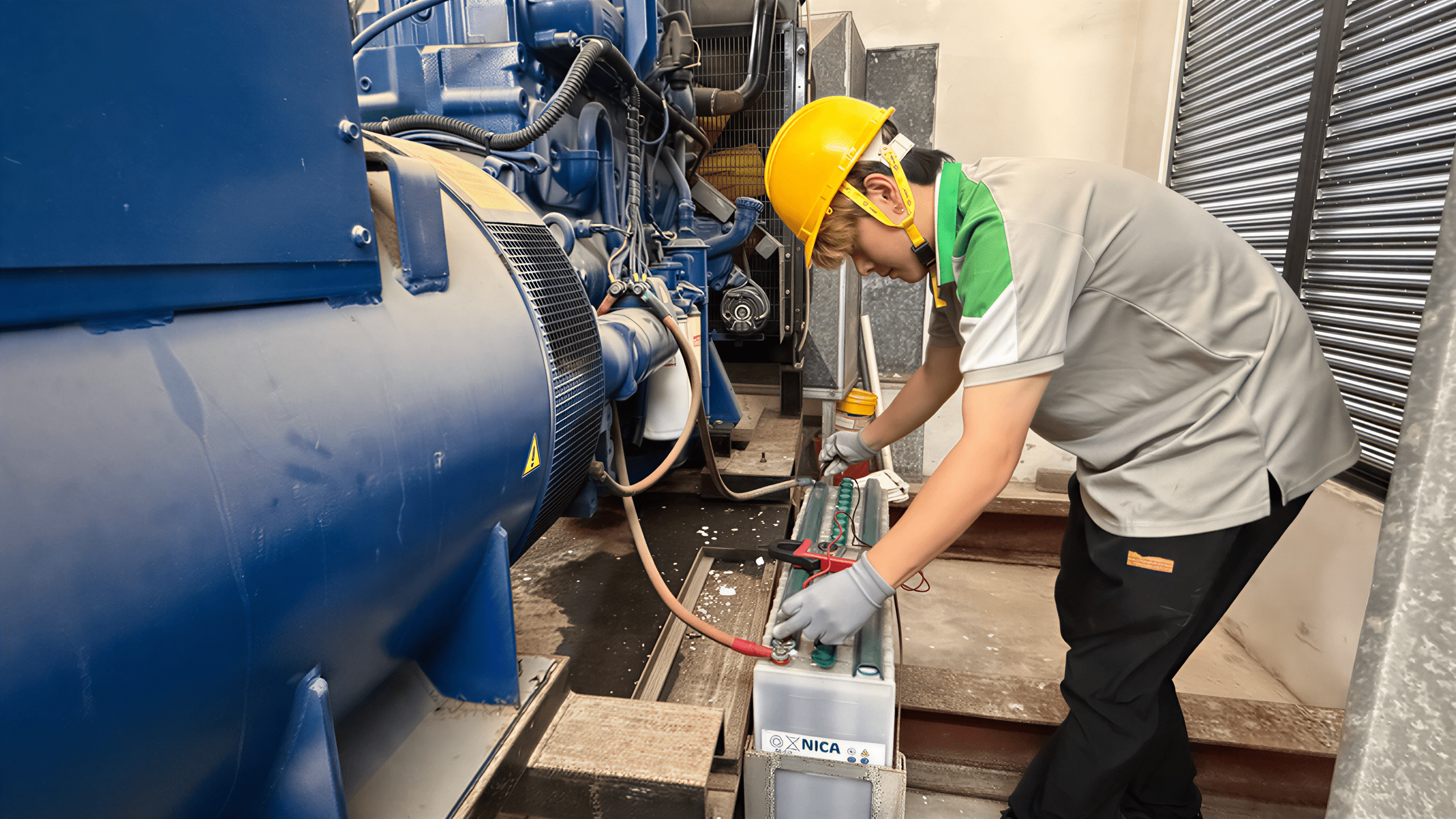
Preventive maintenance ensures your diesel generator is always standby-ready.

For commercial buildings, data centres, construction sites, or any operation that relies on uninterrupted power, a diesel generator is more than just equipment — it is a critical lifeline. Many users only realise the importance of maintenance when the unit fails to start during an emergency. A proper diesel generator maintenance program ensures a reliable emergency power supply while significantly reducing long-term repair costs. This article explains the key maintenance items, how to plan an effective maintenance schedule, and how to estimate maintenance costs, helping you keep your site safe and operational.

Why You Should Never Ignore a Regular Maintenance Schedule?

A common misconception is that “if the generator isn’t used, it won’t break down.” In reality, studies (such as those published in IEEE Transactions on Industry Applications) show that generators left idle for long periods suffer higher failure rates due to oil oxidation, battery self-discharge, and moisture corrosion — often worse than units in regular use.
Establishing a consistent maintenance schedule is the only way to prevent failure at the most critical moment. Maintenance is generally divided into three levels:

• Daily / Weekly Checks (User Level): Ideal for continuously operating units on site. Focus on checking oil levels, coolant levels, and visual inspection of the unit.
• Monthly / Quarterly Exercise Runs: For standby generators, run the unit under load for 15–30 minutes at least monthly to keep batteries, starting systems, and engines in good condition.
• Annual / Hours-Based Major Service: Typically performed every 250 running hours or every 6–12 months, involving comprehensive replacement of consumables and thorough inspections.

Ignoring the schedule can lead to increased fuel consumption in minor cases or catastrophic engine damage in severe cases — repair costs that far exceed routine preventive maintenance.

Comprehensive Diesel Generator Maintenance Checklist

A complete maintenance program covers the engine’s five major systems. Below are the essential items to inspect:

1. Lubrication System

Engine Oil Change: The most critical task. Oil degrades over time and loses its lubricating properties.
Oil Filter: Always replace it together with the oil to prevent contaminants from the old filter polluting the fresh oil.

2. Fuel System

Fuel Filter: Diesel often contains trace water and impurities; replace regularly to avoid injector clogging.
Water Separator: Check and drain any accumulated water from the bottom.

3. Cooling System

Coolant Level and Condition: Inspect level and concentration to prevent overheating or internal corrosion.
Fan Belt Tension: Check for aging, cracking, or looseness.

4. Air Intake System

Air Filter: Clean or replace as needed. On dusty construction sites, this is especially important to prevent power loss, black smoke, and reduced performance.

5. Electrical System

Battery Inspection: A leading cause of failure to start. Check voltage, electrolyte level (if applicable), and clean any corrosion on terminals.

Standard Diesel Generator Maintenance Procedure

Safety comes first before any maintenance work. Incorrect procedures can cause electric shock, burns, or fire. Follow these steps:

Step 1: Safe Shutdown and Lockout

Ensure the generator is in the “OFF” position, press the emergency stop (E-Stop), and disconnect the battery negative terminal to prevent accidental starting. If the unit has recently run, allow at least 30 minutes for the engine to cool.

Step 2: Visual External Inspection

Check for oil leaks, coolant leaks, or other signs of trouble. Clear any debris around the unit to maintain proper ventilation.

Step 3: Fluid Checks and Consumable Replacement

Use the dipstick to check oil level and condition. Following the manufacturer’s manual, drain the old oil, replace the oil filter, fuel filter, air filter, and other consumables as required.

Step 4: Start-Up Test and Data Logging

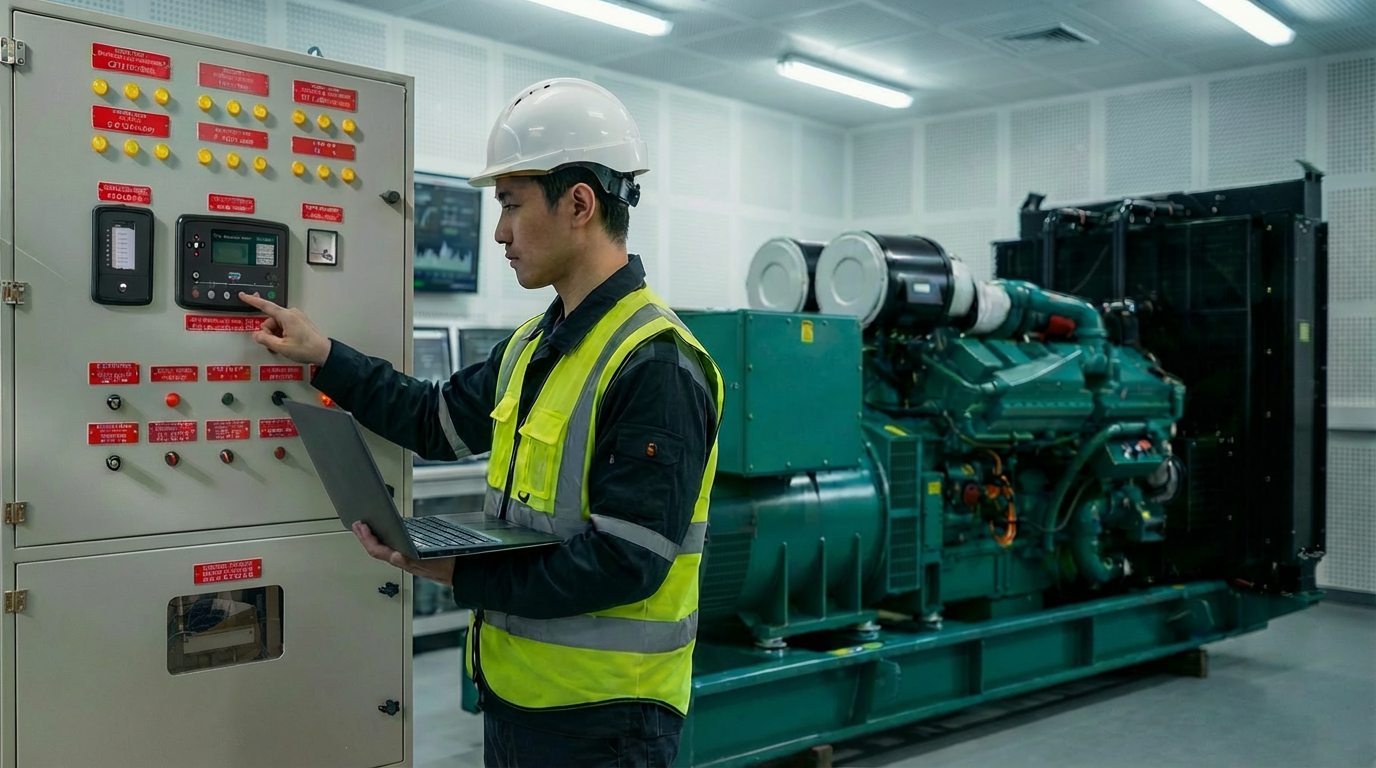
Reconnect power, start the generator, and monitor oil pressure, coolant temperature, and other gauges. Check for leaks around newly replaced filters.

Estimated Diesel Generator Maintenance Costs

Maintenance costs vary depending on unit size, brand, and overall condition. Key factors include:

Quality of Consumables: Using genuine filters and high-grade oil (e.g., API CI-4 or equivalent) may cost more upfront but extends intervals and protects the engine.
Maintenance Frequency: Preventive routine service typically costs only 20–30% of emergency repair expenses over the long term, depending on the model and usage.
Load Bank Testing: Recommended annually. Although it adds to the single-service cost, it verifies the generator’s full-load performance — a vital investment for power reliability.

Practical Tips for Diesel Generator Operation: Save Fuel, Save Energy, Extend Life

Beyond professional servicing, your daily operating habits greatly influence efficiency and longevity.

1. Avoid Prolonged Low-Load Running

Running below 30% load for extended periods causes incomplete combustion, leading to wet stacking (unburned fuel and carbon buildup in the exhaust system), exhaust dripping, and carbon deposits. Aim to operate in the optimal efficiency range of 70–80% load whenever possible to improve fuel economy and reduce buildup.

2. Fuel-Saving and Storage Tips

Use high-quality diesel fuel and add a fuel stabiliser if stored longer than 6 months to prevent degradation and blockages. Regularly clean the radiator fins with compressed air — especially important on dusty sites — to improve cooling efficiency, reduce fan load, and lower fuel consumption.

3. Site Safety Essentials

Always ensure proper earthing (grounding) to prevent electrical hazards. Diesel exhaust contains colourless, odourless carbon monoxide — maintain excellent ventilation, never operate in enclosed spaces, and direct the exhaust pipe away from work areas and personnel.

How Yip Shing Engineering Supports You with Professional Generator Maintenance Services

Whether for emergency backup during outages or daily site power needs, a reliable diesel generator is your strongest ally. By understanding maintenance schedules, following proper procedures, and focusing on key service items, you can control costs effectively while maximising equipment lifespan.
Yip Shing Diesel Engine Engineering Co., Ltd. brings over 60 years of experience, offering comprehensive one-stop generator repair and maintenance services — from basic inspections and monthly routine checks to in-depth annual services. Our qualified technicians are always ready to assist. If you have questions about generator maintenance or need a customised maintenance plan, feel free to contact us anytime.
Diesel Generator Engine Oil Change Guide – Steps, Intervals and Oil Selection

Published on 21 January, 2026

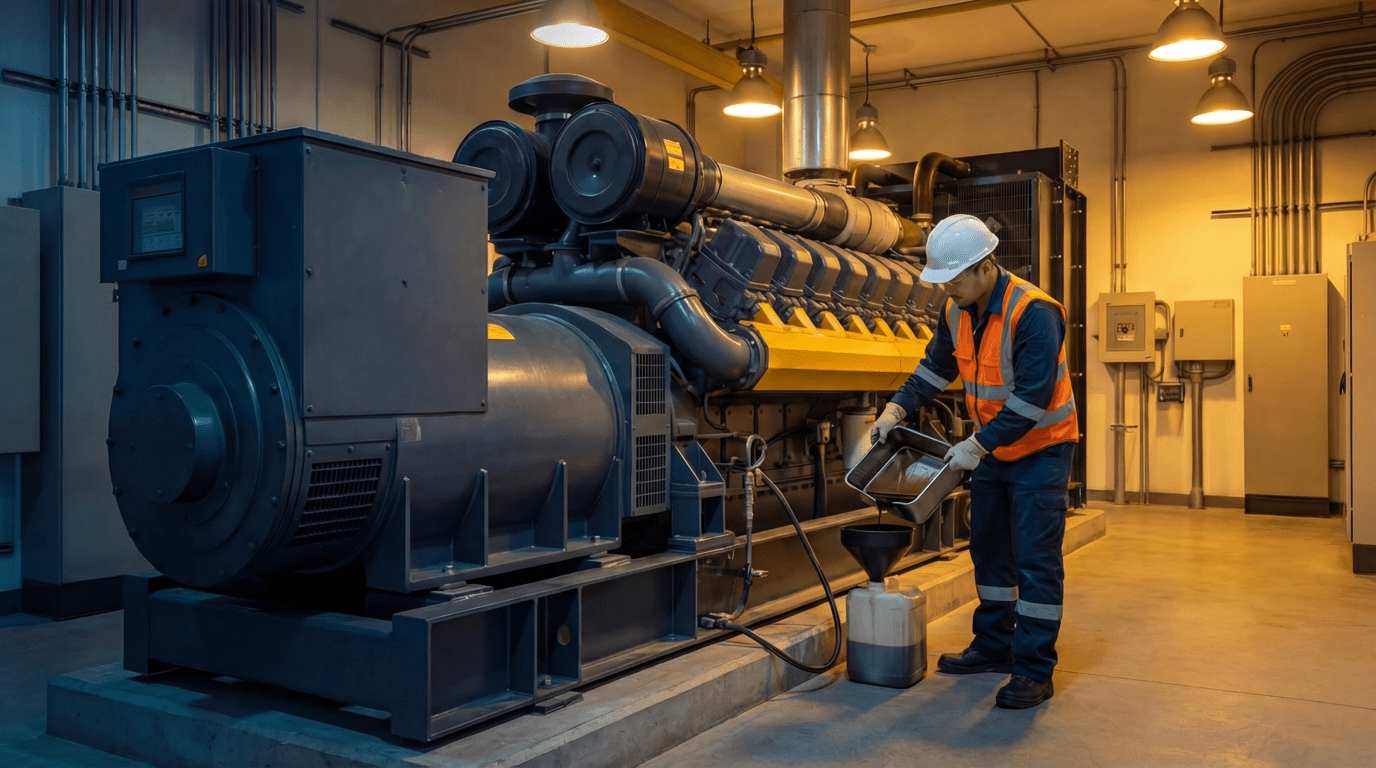
The correct step-by-step oil change procedure helps prevent component wear, reduce maintenance costs, and keep your backup power supply running reliably.

Changing the engine oil in a diesel generator is not complicated, but it has a major impact on the generator’s lifespan and reliability. Doing this simple task properly can significantly reduce metal wear, keep the engine clean inside and help maintain stable power output. For users in commercial buildings, construction sites or homes that rely on standby generators, delaying oil changes or using the wrong oil will greatly increase the risk of breakdowns. The following guide explains the correct diesel generator engine oil change method, recommended intervals and key points for choosing the right oil, so you can complete this essential maintenance with minimal time and effort.

Why change generator oil regularly?

Engine oil in a diesel generator does more than just lubricate moving parts. It also helps carry away heat and contaminants generated during operation. Over time, the oil oxidises and degrades, and its viscosity drops, reducing its protective performance and causing components to wear out faster. Regular oil changes keep the inside of the engine properly lubricated, reduce metal-to-metal contact and help prevent serious damage such as scoring of cylinder walls or even engine seizure.

Can neglecting oil changes destroy the engine?

If the engine oil is not changed at the recommended intervals, it will gradually turn very dark and thin, and its lubricating ability will drop sharply. It can no longer form a strong protective oil film between internal moving parts, directly accelerating the wear of key components such as crankshaft bearings, camshaft and piston rings. At the same time, engine cleanliness will deteriorate as sludge and metal particles build up. These deposits can block narrow oil passages, disrupt oil circulation and lead to local lubrication failure, which in turn can cause severe overheating or even catastrophic engine failure. In the worst case, the engine may require a major overhaul or complete replacement, and the repair cost can easily exceed the price difference of simply following a regular maintenance schedule.

Engine oil change steps

The steps below apply to most small to medium-sized diesel generators, but actual procedures should always follow the manufacturer’s manual.

Step 1: Run the diesel generator for a few minutes, then shut it down. This slightly warms the oil and helps the old oil drain out more completely during the oil change.

Step 2: Switch off the main power supply and make sure the generator cannot start automatically (for example, turn off any auto-start function), then remove the drain plug at the bottom of the engine. Place a suitable container underneath to catch the used oil and remove the oil filter element. Once all the oil has completely drained out, refit and tighten the drain plug, then reinstall the oil filter element.

Step 3: Open the oil filler cap and, using a funnel, pour in the specified grade and quantity of new oil. Check the dipstick in stages, making sure the oil level stays between the minimum and maximum marks.

Step 4: Refit the oil filler cap and reconnect the power. Start the generator and let it run for about 1 minute, then shut it down and check the oil level again, as well as the area around the filter and drain plug for any leaks. Once everything is confirmed, the oil change is complete.

Common engine oil change mistakes

The following practices are prevalent but can seriously reduce the protective effect of the oil and shorten generator life:

– Relying only on visual inspection of oil colour and continuously delaying oil changes.

– Using oil that does not meet the required specification.

– Filling too much or too little oil.

– Only changing the oil, but not replacing the oil filter each time.

These mistakes increase the risk of carbon deposits, abnormal wear and blocked oil passages, which will shorten the service life of the generator.

How often should you change diesel generator oil?

Taking Cummins generator sets as an example, under normal operating conditions, a new generator or an engine that has just undergone major repairs should have its first oil change after the initial 20–50 operating hours, in order to remove metal particles produced during the running-in period. After that, a typical reference interval is every 250 operating hours or every 6 months, whichever comes first. For smaller portable generators, the interval is usually every 50–100 operating hours or every 6 months. As different brands and models may have different recommendations, always refer to the manufacturer’s manual as the most accurate guideline. In addition to operating hours, our technicians assess the condition of the generator and engine oil after each maintenance inspection to determine whether an oil change is necessary.

How to tell when it is time to change the oil?

Besides tracking operating hours, the actual condition of the generator is also an important indicator. If you notice any of the symptoms below, you should arrange an inspection and oil change immediately, even if you have not yet reached the recommended interval.

Check oil colour, consistency and smell

Using the dipstick to inspect the condition of the engine oil is the most straightforward method. If the oil is extremely dark, significantly thinner than normal or has a strong burnt smell, this indicates that the oil has severely degraded. If you can see obvious metallic particles or debris suspended in the oil, it usually means that internal engine components may be experiencing abnormal wear.

Watch for abnormal noise, high temperature and low oil-pressure warnings

If the engine becomes unusually noisy during operation, runs at persistently higher temperatures, or the oil-pressure warning light on the control panel comes on, these are warning signs of insufficient oil, low oil pressure or inadequate lubrication. In such cases, the oil may already have lost its protective properties and the issue must be dealt with immediately to prevent major engine damage.

Allow for high-load or harsh operating conditions

If the generator operates for long periods at high loads, in ambient temperatures above around 35°C or in dusty environments, the oil-change interval should be shortened accordingly. As a general guideline, it is advisable to check the oil condition every 150–200 hours under such conditions. In addition, even if a generator is only used as a standby unit and runs for very few hours each year, it is still recommended to change the oil at least once a year, because oil will naturally oxidise and lose its lubricating performance over time.

How to choose the right engine oil?

The key factors when selecting engine oil for a diesel generator are specification approvals and viscosity. Common approved specifications include heavy-duty diesel engine oils recognised by the American Petroleum Institute (API), such as CH-4 and CI-4, which are designed for turbocharged and high-load diesel engines used in generators, trucks and construction machinery.

If you focus on viscosity, 15W-40 is one of the most popular choices. It provides strong protection at high operating temperatures while still offering reliable cold-start performance. In regions with extremely low ambient temperatures, you can follow the manufacturer’s recommendations and choose grades such as 10W-30. In all cases, the actual choice should follow the equipment manufacturer’s manual.

Keeping your generator running reliably

To keep a diesel generator running reliably over the long term, quality equipment and professional maintenance are both essential. Using a reputable global brand such as Cummins®, together with the correct grade of engine oil and regular oil changes, helps prevent carbon build-up and wear, and reduces the risk of performance loss or unexpected failures due to lubrication problems. We offer not only generator rental and purchase services, but also comprehensive maintenance guidelines and support. You are welcome to contact us for the generator solution that best suits your needs and tailored maintenance recommendations.

Diesel Generator Low Voltage? Analysing Failure Causes, Extending Generator Lifespan and Maintenance Methods

Published on 19 December, 2025

With proper maintenance and an optimal operating environment can further extend the lifespan of Diesel Generators.

Diesel generators are the core equipment in backup or primary power systems. When the unit experiences operational abnormalities, such as insufficient output voltage from the diesel generator, it can affect the operation of critical equipment. To ensure a stable power supply, operators need to understand the causes of diesel generator failures and the corresponding solutions. This article will analyse several common failure symptoms and causes, while breaking down the average lifespan of generators, helping you gain better direction in operation and maintenance.

Common Diesel Generator Failures and Cause Analysis

Diesel generators are widely used as primary or backup power sources in hospitals, factories, residential buildings, and data centers. Once a unit fails, it can prevent connected devices from functioning normally. Below are common diesel generator failure scenarios and potential causes to help you initially identify the root of the problem:

Failure Symptom Potential Causes
Unable to start or difficult to start Fuel supply interruption, low battery voltage, starter motor failure, engine damage, etc.
Shutdown during operation or abnormal output Clogged fuel filter, incomplete diesel combustion, leaks in oil or water circuits, cooling system abnormalities, low oil pressure, overload operation, etc.
Unable to stop after starting Solenoid valve stuck, control coil burned out, relay adhesion, abnormal ECU signals, etc.
Unstable output voltage or frequency Governor failure, AVR failure, coil short circuit, unstable engine speed
Abnormal AC voltage output Unstable engine speed, damaged AVR, stator winding open circuit, worn carbon brushes, etc.
Abnormal noise or vibration Worn parts, loose fixing bolts, damaged bearings
Abnormal exhaust smoke Black smoke is often due to excess fuel or clogged filters; white smoke is due to cold engine load or burned cylinder gasket; gray-white or blue smoke is often related to oil burning.

Since there are many causes of diesel generator failures, having basic knowledge can improve maintenance efficiency. Additionally, if the generator is supported by a professional after-sales service and technical team, issues can be resolved more quickly, significantly reducing downtime and minimizing impact on equipment operation.

What to Do If Diesel Generator Voltage Is Insufficient?

During operation, if the measured output voltage is below the rated value (The rated voltage is the normal output set during machine design, such as three-phase 400V or 380V), it indicates low diesel generator voltage, which requires immediate resolution. Common causes include:

  • AVR failure or incorrect settings are preventing the generator from providing sufficient voltage.
  • Open circuit, short circuit, or insufficient current in the excitation coil responsible for generating the magnetic field, failing to maintain the field needed to induce the rated voltage.
  • Loose or oxidized connection points in the diesel generator, causing a voltage drop and resulting in low
  • Poor contact or excessive wear on carbon brushes and slip rings, affecting current transmission.
  • Sudden connection of large loads with insufficient response performance, causing a temporary significant voltage drop.

Solutions

First, inspect, adjust, or replace the AVR to ensure the excitation system operates normally. Next, thoroughly check all connection terminals to rule out voltage drop issues caused by looseness or oxidation, and clean or replace worn carbon brushes and slip rings. If the temporary voltage drop is due to sudden large loads, improve the sequence of load startup, and confirm the sensitivity of the diesel engine governor to ensure the unit can quickly restore stable voltage and frequency.

How Long Is the Average Lifespan of a Diesel Generator?

Generally, well-designed and properly maintained medium to large industrial diesel generators have an average lifespan of over 8,000 hours, with some reaching 30,000 hours or even 50,000 hours. This means the unit can typically last 15 to 25 years. The actual lifespan depends on the generator model, size, and usage intensity, and can be further extended with proper maintenance and suitable operating environments.

Factors Affecting Diesel Generator Lifespan

Factors influencing diesel generator lifespan include:

  • Daily operating hours and load conditions: Long-term high-load operation accelerates component wear and shortens lifespan.
  • Environmental conditions: Harsh environments like high temperature, high humidity, dust, or corrosive gases accelerate part aging.
  • Maintenance frequency and consumable replacement: Timely replacement of engine oil, fuel filters, coolant, and air filters ensures normal operation.
  • Unit quality and manufacturing standards: Brand and design determine basic durability and performance stability.
  • Operating habits: Including correct startup and shutdown procedures, avoiding frequent premature power cuts or excessive operation.
  • Fuel quality and usage: Using poor-quality fuel can clog the injection system and cause component damage.

Choose High-Performance Cummins® Diesel Generators

We use globally renowned Cummins® generators, which are efficient, durable, and offer strong endurance, reducing the probability of issues like low diesel generator voltage or operational abnormalities, while comprehensively improving operational efficiency. Whether renting or purchasing generators, we provide complete pre-sales and after-sales services, including on-site surveys, transportation, installation and commissioning, as well as comprehensive maintenance and emergency support. This helps identify diesel generator failure causes, extend generator lifespan, and ensure stable power supply. Feel free to contact us— we will provide suitable generator products based on your needs and budget.

Diesel Generator Efficiency and Fuel Consumption: Principles, Uses and Advantages

Published on 31 October, 2025

The principle of a diesel generator is to convert the energy released by diesel combustion into electrical power.

A reliable electricity supply is indispensable across all industries. When problems arise with the mains supply, or power is insufficient, a diesel generator serves as an emergency or even primary source of electricity. This is especially true for construction sites, large-scale events or critical facilities such as data centres, where dependable power provision has a direct impact on daily operations. This article outlines the principles, uses and advantages of diesel generators, and explains the factors influencing their efficiency and fuel consumption.

Principle of Operation

The central feature of a diesel generator lies in its effective conversion of the energy produced by diesel combustion into usable electricity. The operation takes place in two key stages:

Stage One: Diesel Engine Produces Mechanical Power

The principle behind a diesel generator is similar to that of an internal combustion engine found in vehicles. Its core is a diesel engine which generates mechanical energy through four repeating processes: Intake, Compression, Combustion and Exhaust.

1. Intake: The cylinder intake valve opens to admit fresh air into the engine.
2. Compression: The piston moves upwards, compressing the air within the cylinder and raising its temperature significantly.
3. Combustion and Expansion: At this high temperature and pressure, atomised diesel is injected into the cylinder, where it ignites spontaneously, causing a forceful explosion that drives the piston.
4. Exhaust: The piston rises again to discharge the combustion gases.

These processes repeat continuously, with the piston’s motion driving the crankshaft to rotate at a speed. This produces the steady mechanical energy required by the generator.

Stage Two: Conversion to Electricity

The mechanical energy generated by the engine is transferred to an alternator. The principle of electromagnetic induction is used: the engine rotates the internal rotor (a magnet) within a stationary set of windings (the stator), generating an electric current. This current is stabilised and regulated by a controller, ensuring a stable supply suitable for daily use.

Efficiency and Fuel Consumption

Two key indicators for evaluating a diesel generator are its efficiency and fuel consumption. How can one achieve maximum efficiency? How does one properly calculate fuel usage to keep operational costs under control? The following explains these issues:

Efficiency of Diesel Generators

Efficiency refers to the proportion of diesel’s chemical energy converted into electrical energy. Typically, diesel generators achieve a conversion rate of about 30% to 40%, depending on the model and load—It is more efficient than other types of power generation equipment (such as gasoline generators). Operating at consistently low or excessive loads can result in incomplete combustion of fuel, reducing efficiency and possibly causing damage to generator components.

Calculating Fuel Consumption

Many factors affect a generator’s fuel consumption—including unit output, load factor, engine technology and operational conditions. A commonly used formula is:

Fuel consumption (litres per hour) ≈ Power (kW) × Load factor (%) × Fuel consumption rate (g/kWh) ÷ 1000 ÷ 0.84 (fuel density)

For example, a 100 kW generator operating at 75% load with a specific fuel consumption of 220g/kWh would consume roughly:
100 kW × 75% × 220g/kWh ÷ 1000 ÷ 0.84 ≈ 19.6 litres per hour.

Larger generator sets generally achieve superior efficiency when operating at their optimum load. Selecting a generator of suitable output to meet practical needs is vital to controlling costs.

Main Advantages

Despite alternatives such as natural gas and solar power, diesel generators continue to be chosen in many sectors for the following reasons:

  • High reliability: Diesel generators can start rapidly and reach their rated capacity within seconds, providing an immediate emergency supply should the mains fail.
  • Greater fuel efficiency: Diesel has a higher energy density than petrol, providing more electricity per litre and lowering long-term fuel costs.
  • Durability and longevity: Diesel engines are robust, operate at lower speeds and experience less wear, so they typically outlast petrol engines when maintained correctly.
  • Relatively straightforward maintenance: Compared to natural gas systems, diesel generators are simpler to maintain and repair, and the necessary expertise is widely available.
  • Enhanced safety: Diesel has a higher flash point and is less volatile than petrol, making it safer to store and handle.

Two Principal Applications

In Hong Kong, diesel generators have broad applications as both standby supplies and main power sources:

Outdoor Power

Diesel generators provide dependable electricity for outdoor concerts, major events, temporary exhibitions, or construction sites not connected to the grid, enabling the continued use of equipment and preventing disruptions.

Emergency Back-up Power

In residential and commercial buildings, diesel generators are often installed as an emergency measure to keep fire safety systems, water supplies and other essential functions operational during power outages. Facilities where no interruption to power is tolerable—such as hospitals, data centres and telecommunications stations—rely on standby diesel generators for continuous protection.

Reliable Cummins Diesel Generator Series

Given the efficiency and advantages diesel generators provide for both primary and back-up supply, it is important to select machinery that is reliable and established. We offer a comprehensive range of generators by Cummins®, a globally respected manufacturer with nearly a century of experience in engine design. Cummins generators are renowned for high efficiency, durability and endurance. Each unit is thoroughly tested before sale, and after-sales support is available to ensure safety and reliability. If your business requires a dependable diesel generator, please contact us for hire or purchase.

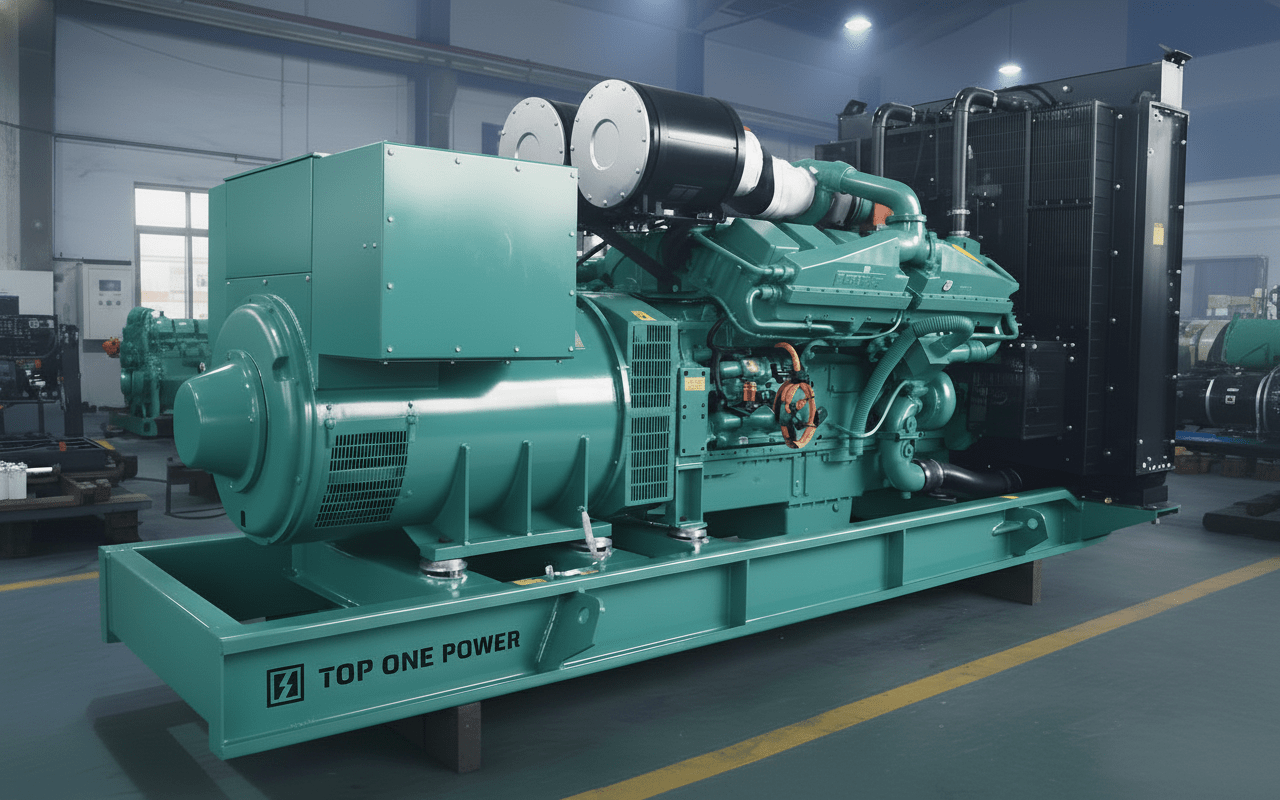
Tailored Cummins KTA38-G2A Diesel Generator Design

Published On 14 February, 2025

Tailored Cummins KTA38-G2A Diesel Generator Design

From Transport to Operation: Tailored Diesel Generator Design for Hong Kong Housing Authority

Top One Power recently contributed to a Hong Kong Housing Department project, providing customised solutions with a Cummins KTA38-G2A diesel generator for rooftop installation. To overcome logistical challenges, we designed the generator with a removable control panel box and front panel, ensuring seamless transport via crane.

When it comes to powering urban projects, flexibility and innovation are essential. Due to weight considerations, the diesel generator and the front control panel were transported separately. Our design ensured the generator met the unique demands of the Housing Department project. Key features of the solution:

  • Easy Transportation: Removable control and front panels ensure smooth transport using a crane to the rooftop.
  • User-Centric Design: After installation, the control panel will be adjusted to a user-friendly eye-level position, enabling easy operation for on-site teams.

Compliance with Hong Kong Government Standards: Rigorous Function Testing

In addition to innovative design, the Hong Kong Housing Department mandates rigorous “Strict Function Tests” to ensure generators meet uncompromising safety and performance standards, particularly in high-density urban environments. Top One Power conducted a series of specialised tests tailored to these demands, including:

  • Alternator Isolation Test (Megger Test): This test verifies the insulation integrity of the generator’s alternator windings using a high-voltage Megger instrument. By measuring insulation resistance between windings and ground, this test ensures no current leakage or short circuits that could compromise safety.
  • Emergency Stop Test: Upon triggering the emergency stop button, the unit immediately ceased operation, confirming fail-safe protection against hazards like overloading or mechanical failure.
  • Remote Start Test: The generator’s remote activation capability, via automatic transfer switches (ATS) or control panels, was tested under simulated power outage conditions. Successful startup and stable performance underscored its readiness to provide backup power seamlessly, a non-negotiable requirement for high-rise residential complexes.

These tests not only meet regulatory benchmarks but also reinforce the generator’s reliability during emergencies, a cornerstone of our design philosophy.

Why Rigorous Testing Matters in Urban Environments

Hong Kong’s compact infrastructure demands solutions that prioritise safety without sacrificing performance. By integrating these tests into our workflow, we ensured the Cummins KTA38-G2A generator operates flawlessly under load, withstands environmental stressors, and aligns with the Housing Authority’s zero-tolerance approach to risk. This proactive testing regime underscores our commitment to delivering solutions that exceed expectations—both technically and operationally.

This project exemplifies how Top One Power navigates multifaceted challenges—from logistical hurdles to rigorous compliance demands—to deliver resilient power solutions. Whether in Hong Kong or globally, our commitment to providing innovative power solutions remains steadfast. Contact us to explore how we can power your next project!