Published on 18 September, 2026
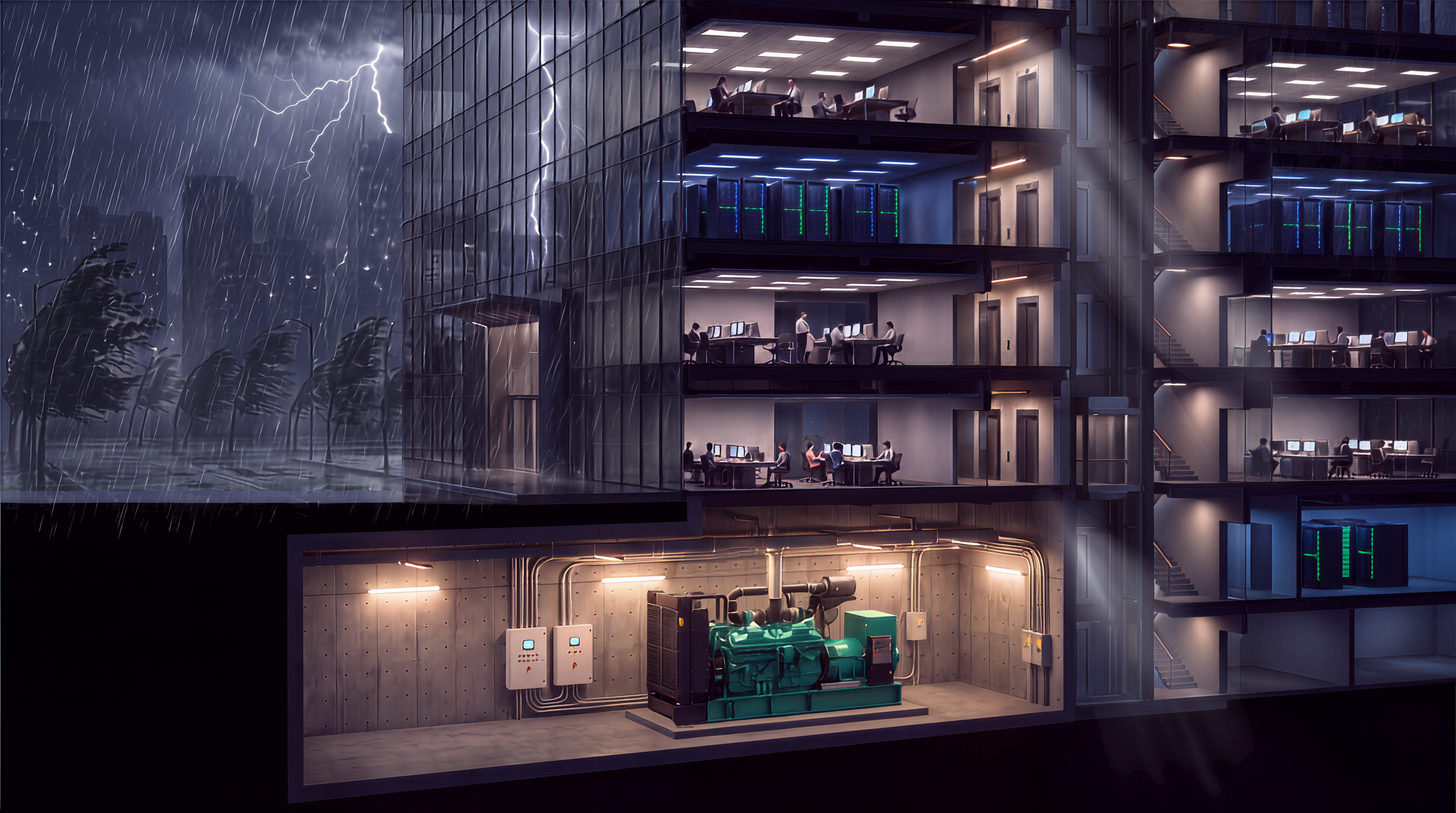
As Hong Kong enters the tropical cyclone and heavy rain season, one of the greatest concerns for residents is a sudden plunge into darkness at home. Strong winds toppling trees onto power cables, torrential rain flooding substations, or voltage dips triggering circuit breakers are all common causes of residential power outages during extreme weather. When a building loses power, elevators stop, corridor lighting goes out, and even water pumps may cease operation — causing significant inconvenience to residents. Therefore, implementing proper residential power outage prevention measures, understanding emergency power supply methods, and installing a reliable backup power system are essential to protect against typhoon-related blackouts and safeguard family and community safety.
Common Causes of Residential Power Outages During Extreme Weather
Although Hong Kong’s power system is highly stable, external conditions during severe typhoons or adverse weather can still trigger outages. In simple terms, the three most common causes of power outages under extreme weather are:
1. Strong Winds and Fallen Trees Damaging Overhead Power Lines
In many areas of the New Territories and rural districts (such as Sai Kung, Yuen Long, and Lantau Island), electricity is still transmitted via utility poles and overhead cables. When strong winds topple roadside trees, branches can easily snap power lines, causing immediate outages across an entire area. For example, during Super Typhoon Mangkhut in 2018, strong winds damaged numerous overhead cables, leaving more than 40,000 households in rural New Territories without power — with some locations requiring several days to restore supply.
2. Heavy Rain and Storm Surge Flooding Underground Distribution Rooms
In low-lying areas or coastal estates with inadequate flood protection, seawater inundation or extreme rainfall during severe weather can flood basement substations and distribution rooms. Once electrical equipment is submerged, short circuits occur, and components must be dried out or replaced before power can be restored — often a lengthy process.
3. Lightning Strikes or External Interference Causing Brief Voltage Dips
Thunderstorms are frequent during typhoons. Lightning strikes or damaged cables may cause a “voltage dip” lasting less than a second. Although this is not a complete blackout, building main switches or elevator safety mechanisms often trip automatically, resulting in stopped lifts or flickering residential lighting. During Severe Typhoon Vicente (2012) and Super Typhoon Saola (2023), numerous buildings experienced elevator protection trips caused by voltage dips.
Residential Power Outage Prevention Measures & Hong Kong Regulatory Requirements
To avoid being left without electricity during extreme weather, preventive work should be carried out in advance. The Hong Kong Government also imposes strict requirements on building electrical safety:
Strict Compliance with the Electricity Ordinance (Cap. 406)
Under Hong Kong law, building owners and property management companies must regularly engage Registered Electrical Contractors (REC) and Registered Electrical Workers (REW) to inspect, test, and obtain a WR2 (Periodic Test Certificate) for fixed electrical installations. Keeping equipment in good condition significantly reduces the impact of extreme weather.
Flood Protection for Distribution Rooms & Tree Management
- Install flood barriers and pumping systems: Entrances to basements or low-lying distribution rooms should be equipped with flood gates, and automatic sump pumps must be kept in working order.
- Regular tree pruning: Trees on private land near overhead cables should be pruned before the typhoon season to reduce the risk of trees falling onto power lines.
Establish Trip and Power Restoration Procedures
Building management staff should pre-establish and be familiar with power outage and circuit-breaker response procedures (e.g., ACB / MCCB operation). When a voltage dip occurs, they can follow the correct procedure for manual or automatic reset to restore power quickly.
Residential Power Supply Methods & Backup Power Options
When the main grid is interrupted, selecting an appropriate power supply method can maintain essential building operations (such as emergency lighting, water pumps, and fire services equipment):
| Power Supply Method | Suitable Scenarios | Pros & Cons |
| Uninterruptible Power Supply (UPS) | Individual residences, server computers | Pros: Seamless power transfer; computers stay on
Cons: Limited capacity; only lasts tens of minutes |
| Home Energy Storage System (ESS) | Detached houses, rural village houses | Pros: Can pair with solar panels; provides several hours of basic power
Cons: Higher installation cost; difficult to power an entire building |
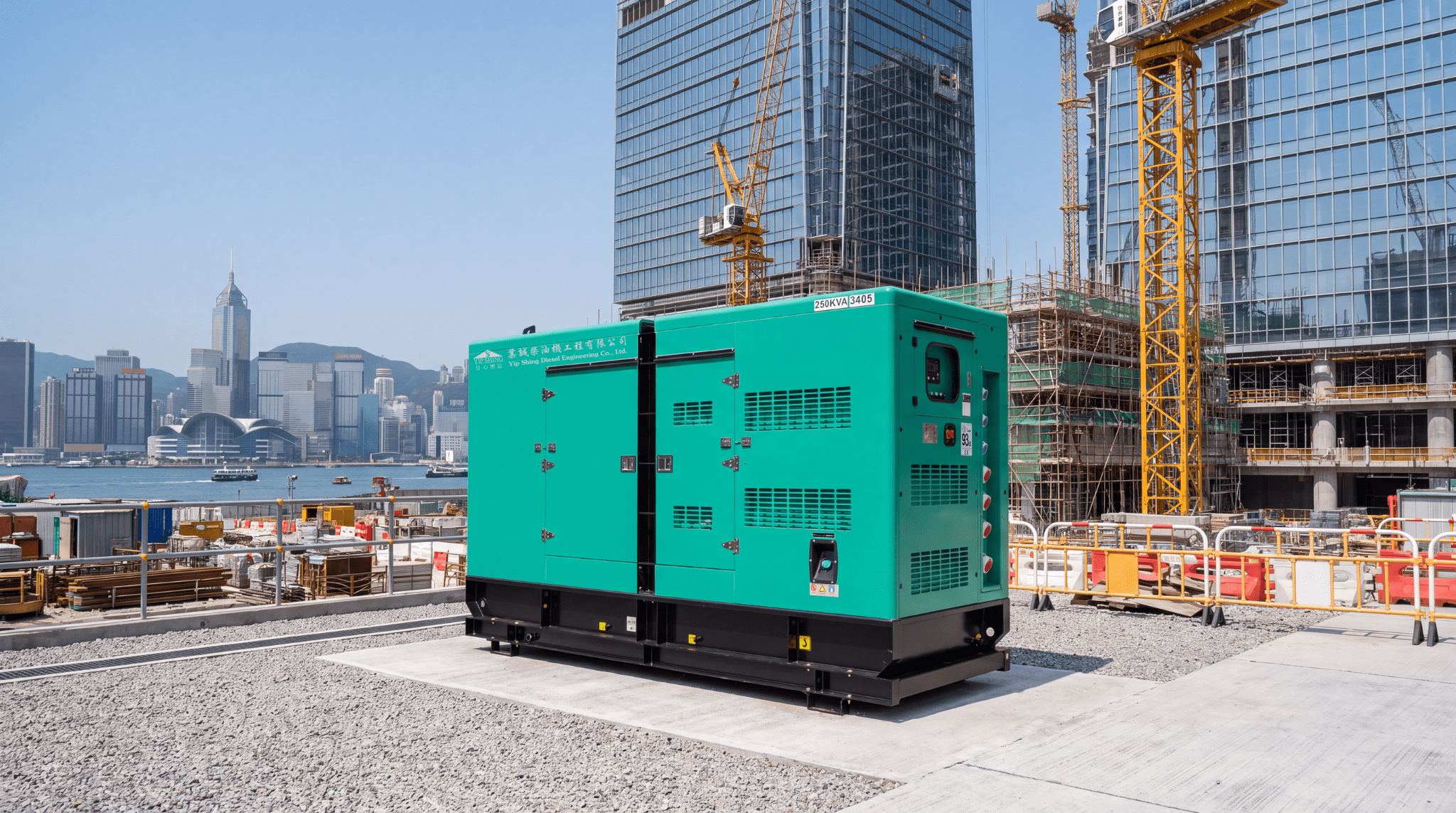
| Diesel Generator Set | Residential buildings, estates, construction projects | Pros: High power output; the primary backup solution for large buildings
Cons: Requires regular maintenance and dedicated installation space |
Emergency Response Guide for Sudden Power Outages & After Restoration
Stay calm during a sudden outage and follow these simple steps:
- First confirm the scope of the outage: Check whether your own distribution board (MCB) has tripped. If only your unit is without power, it may be an individual appliance overload. If the entire building or street is affected, it is likely a building main switch trip or a utility supply issue.
- Unplug high-power appliances: Switch off air-conditioners, electric water heaters, and other high-load devices to avoid damage from the surge current when power is restored.
- Keep the refrigerator door closed: As long as the door remains shut, the cold air inside can last for several hours and help prevent food spoilage.
- Use safe lighting: Never use candles. Switch to flashlights or emergency lights to avoid fire risk.
Safety Checks After Power Is Restored
Once electricity returns, follow these steps one by one:
- Restart appliances in stages: First, turn on lighting. After confirming voltage is stable, gradually switch on air-conditioners, refrigerators and other large appliances to avoid overloading and another trip.
- Check water supply and common facilities: Power outages may stop building water pumps. After restoration, run the taps for a few seconds to ensure water quality is clear. Management should also verify that elevators and security systems are operating normally.
- Check electronic systems: Test security systems, elevators, and network equipment to confirm they have returned to normal operation.
Professional Residential Backup Power Solutions
Facing sudden outages caused by extreme weather, or during scheduled building electrical testing (WR2 outage tests), renting or installing a professional diesel generator is the most direct and effective way to ensure uninterrupted power for residences and buildings. When a residential building experiences a power failure or planned outage for maintenance, Yip Shing diesel generators can immediately take over as an emergency temporary power source, providing the following key functions for the building:
Advantages of Yip Shing Diesel Generators
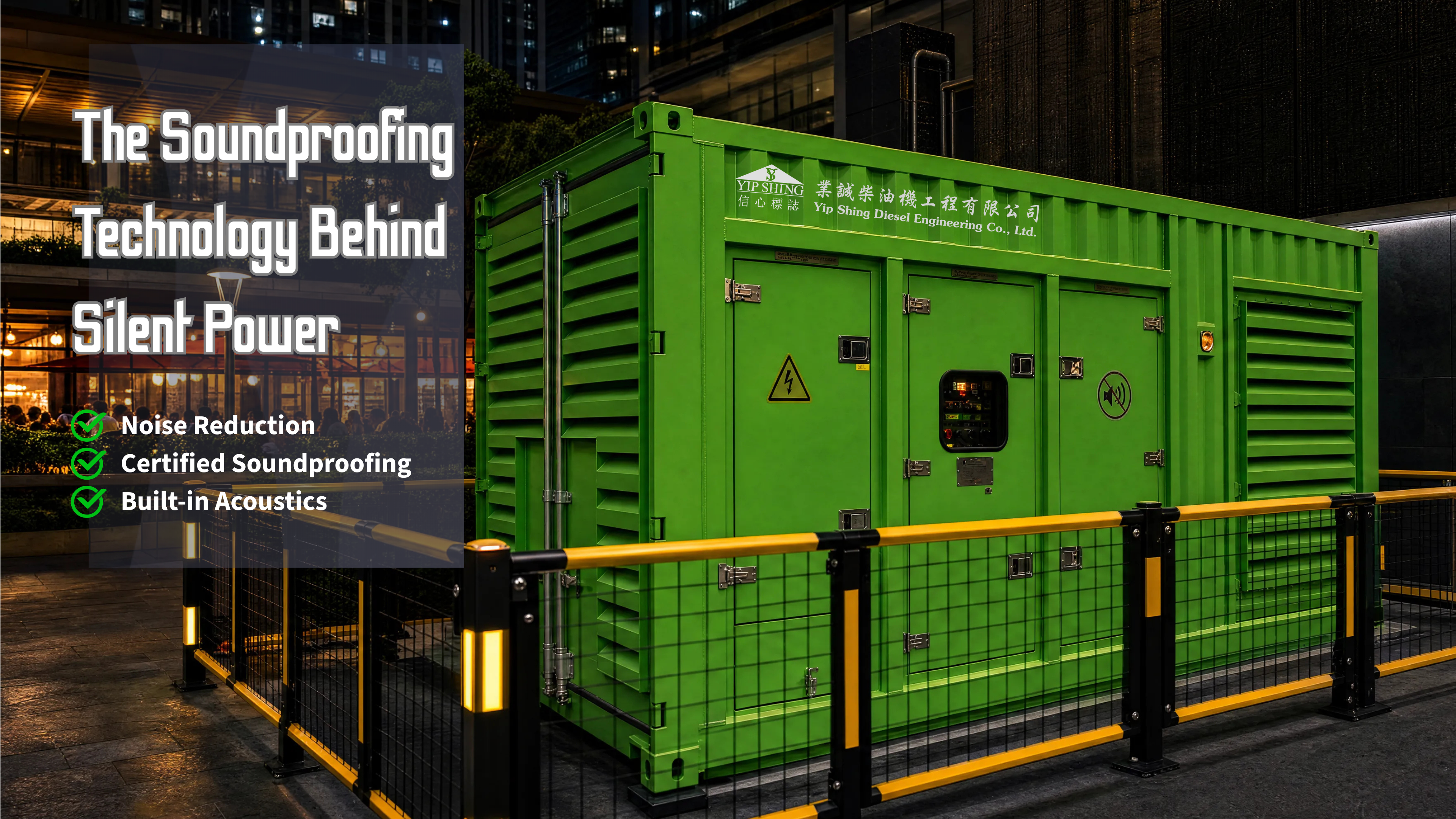
- Silent design: Yip Shing supplies professional silent-type diesel generator sets with extremely low operating noise, making them ideal for use near residential areas and estates.
- Full range of specifications and flexible options: From small units to large industrial-grade generator sets, solutions can be tailored according to the actual power demand of the building.
- Professional team and rapid mobilisation: One-stop generator rental, delivery, installation and commissioning services are provided, fully supported by experienced technicians and fully compliant with Hong Kong’s strict fire and electrical regulations.
Discover Yip Shing Backup Power Solutions – Prevent Sudden Outages
Extreme weather is difficult to predict, but power security for buildings and homes can be prepared in advance. Whether responding to sudden extreme weather events or coordinating with scheduled WR2 inspection outages, thoroughly understanding the various causes of residential power outages and implementing proper prevention measures is the only way to stay fully prepared. Choosing the right residential power supply method and configuring backup power equipment ensures continuous operation of emergency lighting, water pumps, and core facilities.
Yip Shing provides professional silent-type diesel generator set rental services. With a full range of specifications and rapid on-site deployment, we fully support all types of building projects and emergency backup power needs, giving you peace of mind in any situation. Feel free to contact us to learn about suitable rental solutions.