News

Diesel Generator Low Voltage? Analysing Failure Causes, Extending Generator Lifespan and Maintenance Methods

Published on 19 December, 2025

With proper maintenance and an optimal operating environment can further extend the lifespan of Diesel Generators.

Diesel generators are the core equipment in backup or primary power systems. When the unit experiences operational abnormalities, such as insufficient output voltage from the diesel generator, it can affect the operation of critical equipment. To ensure a stable power supply, operators need to understand the causes of diesel generator failures and the corresponding solutions. This article will analyse several common failure symptoms and causes, while breaking down the average lifespan of generators, helping you gain better direction in operation and maintenance.

Common Diesel Generator Failures and Cause Analysis

Diesel generators are widely used as primary or backup power sources in hospitals, factories, residential buildings, and data centers. Once a unit fails, it can prevent connected devices from functioning normally. Below are common diesel generator failure scenarios and potential causes to help you initially identify the root of the problem:

Failure Symptom Potential Causes
Unable to start or difficult to start Fuel supply interruption, low battery voltage, starter motor failure, engine damage, etc.
Shutdown during operation or abnormal output Clogged fuel filter, incomplete diesel combustion, leaks in oil or water circuits, cooling system abnormalities, low oil pressure, overload operation, etc.
Unable to stop after starting Solenoid valve stuck, control coil burned out, relay adhesion, abnormal ECU signals, etc.
Unstable output voltage or frequency Governor failure, AVR failure, coil short circuit, unstable engine speed
Abnormal AC voltage output Unstable engine speed, damaged AVR, stator winding open circuit, worn carbon brushes, etc.
Abnormal noise or vibration Worn parts, loose fixing bolts, damaged bearings
Abnormal exhaust smoke Black smoke is often due to excess fuel or clogged filters; white smoke is due to cold engine load or burned cylinder gasket; gray-white or blue smoke is often related to oil burning.

Since there are many causes of diesel generator failures, having basic knowledge can improve maintenance efficiency. Additionally, if the generator is supported by a professional after-sales service and technical team, issues can be resolved more quickly, significantly reducing downtime and minimizing impact on equipment operation.

What to Do If Diesel Generator Voltage Is Insufficient?

During operation, if the measured output voltage is below the rated value (The rated voltage is the normal output set during machine design, such as three-phase 400V or 380V), it indicates low diesel generator voltage, which requires immediate resolution. Common causes include:

  • AVR failure or incorrect settings are preventing the generator from providing sufficient voltage.
  • Open circuit, short circuit, or insufficient current in the excitation coil responsible for generating the magnetic field, failing to maintain the field needed to induce the rated voltage.
  • Loose or oxidized connection points in the diesel generator, causing a voltage drop and resulting in low
  • Poor contact or excessive wear on carbon brushes and slip rings, affecting current transmission.
  • Sudden connection of large loads with insufficient response performance, causing a temporary significant voltage drop.

Solutions

First, inspect, adjust, or replace the AVR to ensure the excitation system operates normally. Next, thoroughly check all connection terminals to rule out voltage drop issues caused by looseness or oxidation, and clean or replace worn carbon brushes and slip rings. If the temporary voltage drop is due to sudden large loads, improve the sequence of load startup, and confirm the sensitivity of the diesel engine governor to ensure the unit can quickly restore stable voltage and frequency.

How Long Is the Average Lifespan of a Diesel Generator?

Generally, well-designed and properly maintained medium to large industrial diesel generators have an average lifespan of over 8,000 hours, with some reaching 30,000 hours or even 50,000 hours. This means the unit can typically last 15 to 25 years. The actual lifespan depends on the generator model, size, and usage intensity, and can be further extended with proper maintenance and suitable operating environments.

Factors Affecting Diesel Generator Lifespan

Factors influencing diesel generator lifespan include:

  • Daily operating hours and load conditions: Long-term high-load operation accelerates component wear and shortens lifespan.
  • Environmental conditions: Harsh environments like high temperature, high humidity, dust, or corrosive gases accelerate part aging.
  • Maintenance frequency and consumable replacement: Timely replacement of engine oil, fuel filters, coolant, and air filters ensures normal operation.
  • Unit quality and manufacturing standards: Brand and design determine basic durability and performance stability.
  • Operating habits: Including correct startup and shutdown procedures, avoiding frequent premature power cuts or excessive operation.
  • Fuel quality and usage: Using poor-quality fuel can clog the injection system and cause component damage.

Choose High-Performance Cummins® Diesel Generators

We use globally renowned Cummins® generators, which are efficient, durable, and offer strong endurance, reducing the probability of issues like low diesel generator voltage or operational abnormalities, while comprehensively improving operational efficiency. Whether renting or purchasing generators, we provide complete pre-sales and after-sales services, including on-site surveys, transportation, installation and commissioning, as well as comprehensive maintenance and emergency support. This helps identify diesel generator failure causes, extend generator lifespan, and ensure stable power supply. Feel free to contact us— we will provide suitable generator products based on your needs and budget.

Diesel Generator Efficiency and Fuel Consumption: Principles, Uses and Advantages

Published on 31 October, 2025

The principle of a diesel generator is to convert the energy released by diesel combustion into electrical power.

A reliable electricity supply is indispensable across all industries. When problems arise with the mains supply, or power is insufficient, a diesel generator serves as an emergency or even primary source of electricity. This is especially true for construction sites, large-scale events or critical facilities such as data centres, where dependable power provision has a direct impact on daily operations. This article outlines the principles, uses and advantages of diesel generators, and explains the factors influencing their efficiency and fuel consumption.

Principle of Operation

The central feature of a diesel generator lies in its effective conversion of the energy produced by diesel combustion into usable electricity. The operation takes place in two key stages:

Stage One: Diesel Engine Produces Mechanical Power

The principle behind a diesel generator is similar to that of an internal combustion engine found in vehicles. Its core is a diesel engine which generates mechanical energy through four repeating processes: Intake, Compression, Combustion and Exhaust.

1. Intake: The cylinder intake valve opens to admit fresh air into the engine.
2. Compression: The piston moves upwards, compressing the air within the cylinder and raising its temperature significantly.
3. Combustion and Expansion: At this high temperature and pressure, atomised diesel is injected into the cylinder, where it ignites spontaneously, causing a forceful explosion that drives the piston.
4. Exhaust: The piston rises again to discharge the combustion gases.

These processes repeat continuously, with the piston’s motion driving the crankshaft to rotate at a speed. This produces the steady mechanical energy required by the generator.

Stage Two: Conversion to Electricity

The mechanical energy generated by the engine is transferred to an alternator. The principle of electromagnetic induction is used: the engine rotates the internal rotor (a magnet) within a stationary set of windings (the stator), generating an electric current. This current is stabilised and regulated by a controller, ensuring a stable supply suitable for daily use.

Efficiency and Fuel Consumption

Two key indicators for evaluating a diesel generator are its efficiency and fuel consumption. How can one achieve maximum efficiency? How does one properly calculate fuel usage to keep operational costs under control? The following explains these issues:

Efficiency of Diesel Generators

Efficiency refers to the proportion of diesel’s chemical energy converted into electrical energy. Typically, diesel generators achieve a conversion rate of about 30% to 40%, depending on the model and load—It is more efficient than other types of power generation equipment (such as gasoline generators). Operating at consistently low or excessive loads can result in incomplete combustion of fuel, reducing efficiency and possibly causing damage to generator components.

Calculating Fuel Consumption

Many factors affect a generator’s fuel consumption—including unit output, load factor, engine technology and operational conditions. A commonly used formula is:

Fuel consumption (litres per hour) ≈ Power (kW) × Load factor (%) × Fuel consumption rate (g/kWh) ÷ 1000 ÷ 0.84 (fuel density)

For example, a 100 kW generator operating at 75% load with a specific fuel consumption of 220g/kWh would consume roughly:
100 kW × 75% × 220g/kWh ÷ 1000 ÷ 0.84 ≈ 19.6 litres per hour.

Larger generator sets generally achieve superior efficiency when operating at their optimum load. Selecting a generator of suitable output to meet practical needs is vital to controlling costs.

Main Advantages

Despite alternatives such as natural gas and solar power, diesel generators continue to be chosen in many sectors for the following reasons:

  • High reliability: Diesel generators can start rapidly and reach their rated capacity within seconds, providing an immediate emergency supply should the mains fail.
  • Greater fuel efficiency: Diesel has a higher energy density than petrol, providing more electricity per litre and lowering long-term fuel costs.
  • Durability and longevity: Diesel engines are robust, operate at lower speeds and experience less wear, so they typically outlast petrol engines when maintained correctly.
  • Relatively straightforward maintenance: Compared to natural gas systems, diesel generators are simpler to maintain and repair, and the necessary expertise is widely available.
  • Enhanced safety: Diesel has a higher flash point and is less volatile than petrol, making it safer to store and handle.

Two Principal Applications

In Hong Kong, diesel generators have broad applications as both standby supplies and main power sources:

Outdoor Power

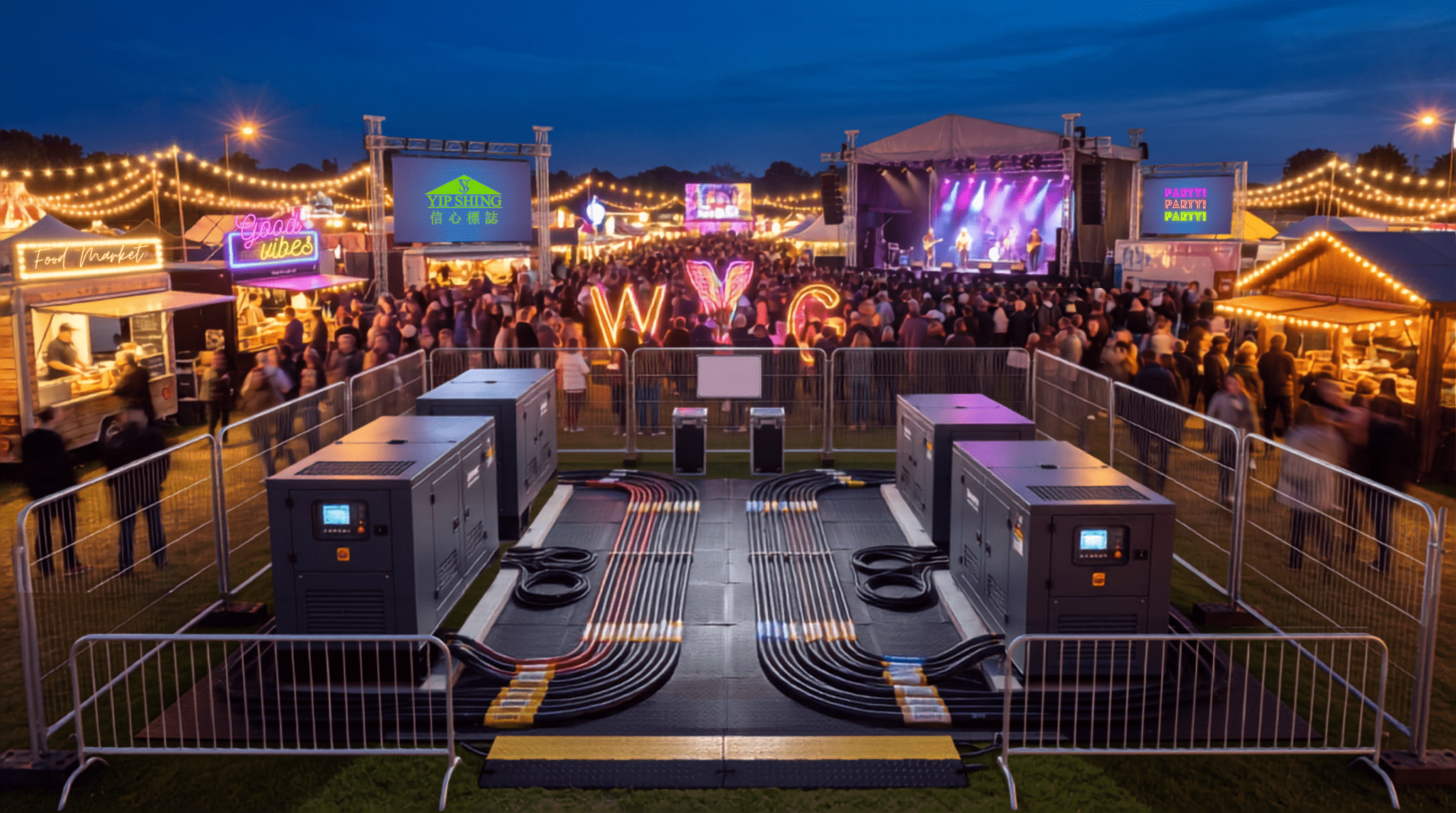
Diesel generators provide dependable electricity for outdoor concerts, major events, temporary exhibitions, or construction sites not connected to the grid, enabling the continued use of equipment and preventing disruptions.

Emergency Back-up Power

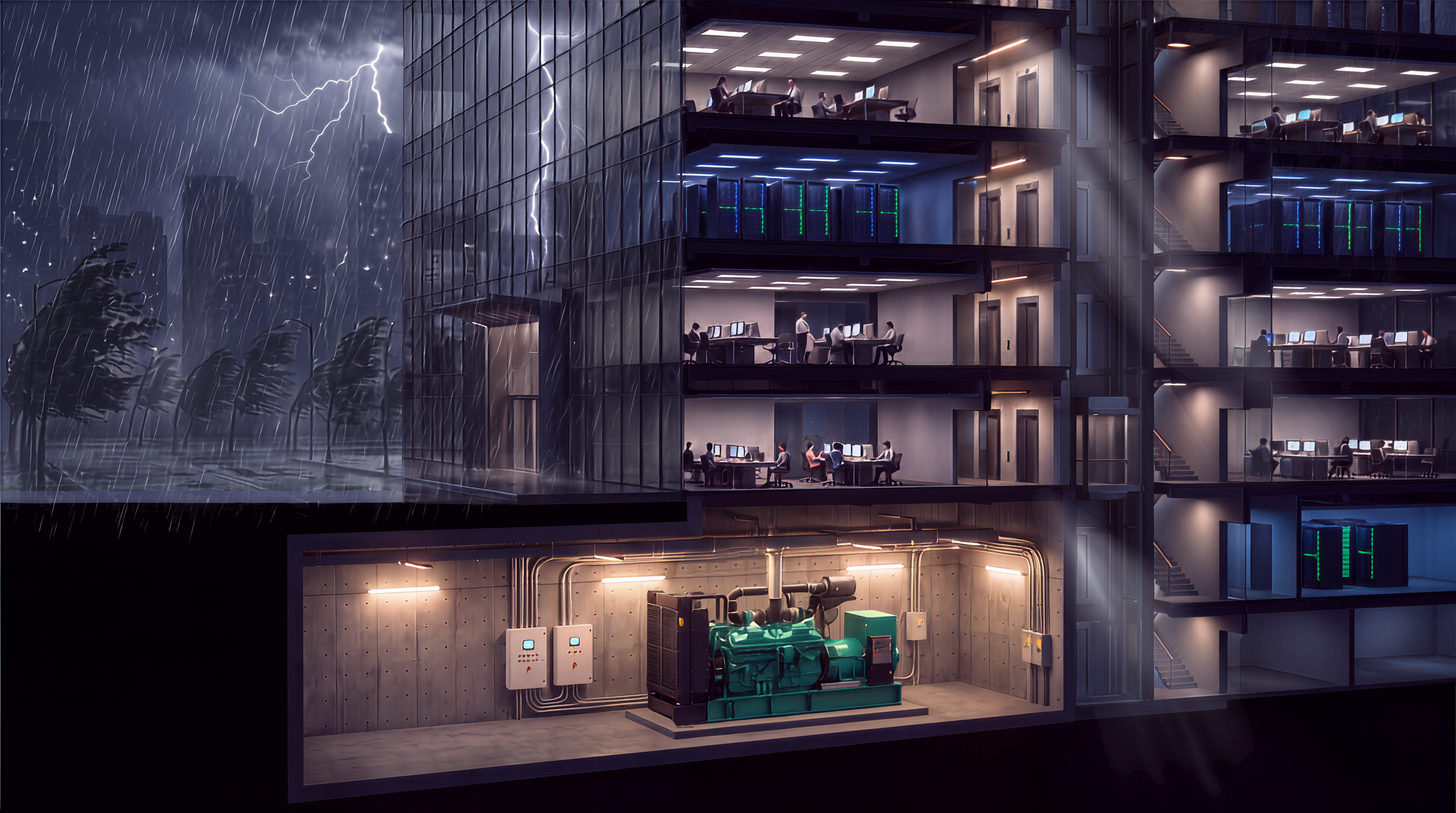
In residential and commercial buildings, diesel generators are often installed as an emergency measure to keep fire safety systems, water supplies and other essential functions operational during power outages. Facilities where no interruption to power is tolerable—such as hospitals, data centres and telecommunications stations—rely on standby diesel generators for continuous protection.

Reliable Cummins Diesel Generator Series

Given the efficiency and advantages diesel generators provide for both primary and back-up supply, it is important to select machinery that is reliable and established. We offer a comprehensive range of generators by Cummins®, a globally respected manufacturer with nearly a century of experience in engine design. Cummins generators are renowned for high efficiency, durability and endurance. Each unit is thoroughly tested before sale, and after-sales support is available to ensure safety and reliability. If your business requires a dependable diesel generator, please contact us for hire or purchase.

Tailored Cummins KTA38-G2A Diesel Generator Design

Published On 14 February, 2025

Tailored Cummins KTA38-G2A Diesel Generator Design

From Transport to Operation: Tailored Diesel Generator Design for Hong Kong Housing Authority

Top One Power recently contributed to a Hong Kong Housing Department project, providing customised solutions with a Cummins KTA38-G2A diesel generator for rooftop installation. To overcome logistical challenges, we designed the generator with a removable control panel box and front panel, ensuring seamless transport via crane.

When it comes to powering urban projects, flexibility and innovation are essential. Due to weight considerations, the diesel generator and the front control panel were transported separately. Our design ensured the generator met the unique demands of the Housing Department project. Key features of the solution:

  • Easy Transportation: Removable control and front panels ensure smooth transport using a crane to the rooftop.
  • User-Centric Design: After installation, the control panel will be adjusted to a user-friendly eye-level position, enabling easy operation for on-site teams.

Compliance with Hong Kong Government Standards: Rigorous Function Testing

In addition to innovative design, the Hong Kong Housing Department mandates rigorous “Strict Function Tests” to ensure generators meet uncompromising safety and performance standards, particularly in high-density urban environments. Top One Power conducted a series of specialised tests tailored to these demands, including:

  • Alternator Isolation Test (Megger Test): This test verifies the insulation integrity of the generator’s alternator windings using a high-voltage Megger instrument. By measuring insulation resistance between windings and ground, this test ensures no current leakage or short circuits that could compromise safety.
  • Emergency Stop Test: Upon triggering the emergency stop button, the unit immediately ceased operation, confirming fail-safe protection against hazards like overloading or mechanical failure.
  • Remote Start Test: The generator’s remote activation capability, via automatic transfer switches (ATS) or control panels, was tested under simulated power outage conditions. Successful startup and stable performance underscored its readiness to provide backup power seamlessly, a non-negotiable requirement for high-rise residential complexes.

These tests not only meet regulatory benchmarks but also reinforce the generator’s reliability during emergencies, a cornerstone of our design philosophy.

Why Rigorous Testing Matters in Urban Environments

Hong Kong’s compact infrastructure demands solutions that prioritise safety without sacrificing performance. By integrating these tests into our workflow, we ensured the Cummins KTA38-G2A generator operates flawlessly under load, withstands environmental stressors, and aligns with the Housing Authority’s zero-tolerance approach to risk. This proactive testing regime underscores our commitment to delivering solutions that exceed expectations—both technically and operationally.

This project exemplifies how Top One Power navigates multifaceted challenges—from logistical hurdles to rigorous compliance demands—to deliver resilient power solutions. Whether in Hong Kong or globally, our commitment to providing innovative power solutions remains steadfast. Contact us to explore how we can power your next project!

New QPME Rental Series: 125kVA & 250kVA Diesel Generator Sets

Published On 10 July, 2024

New QPME Rental Series 125kVA 250kVA Diesel Generator Sets, QPME Generator

Optimised for Hong Kong Market

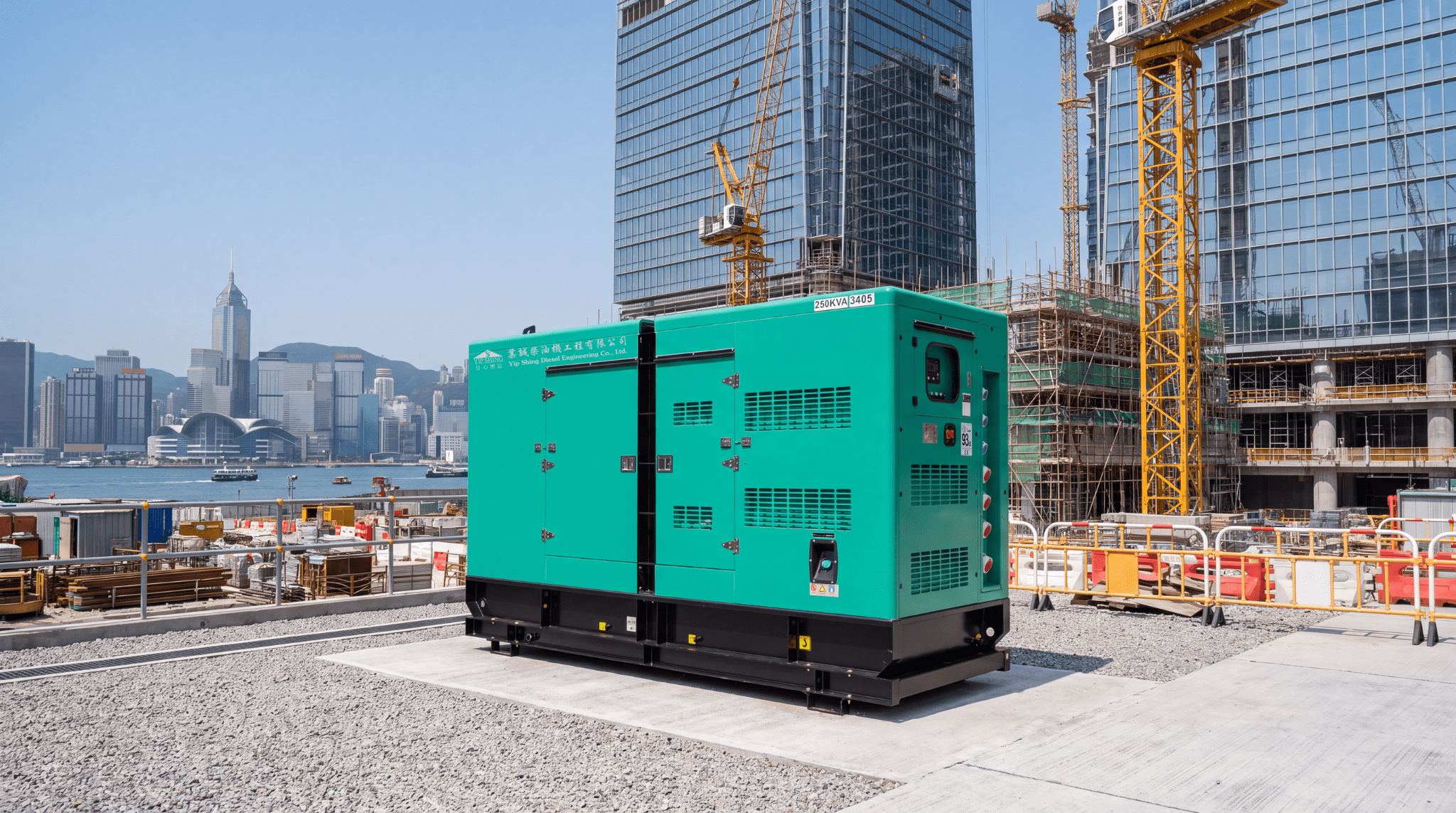
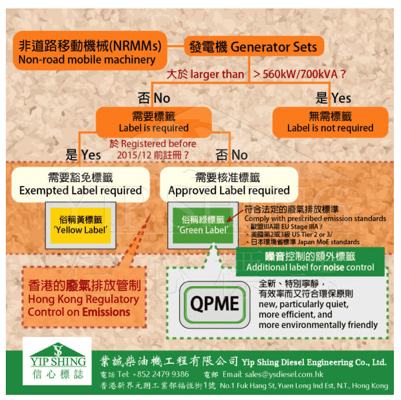
Introducing the addition of our new rental units! These options have been approved by the Quality Powered Mechanical Equipment (QPME) and carry the green label, meeting the stringent guidelines set by the Hong Kong local regulations and environmental standards. Featuring the 125kVA and 250kVA models, these diesel generator sets offer enhanced features and improved performance. Let’s explore the exciting features of our new series!

Fast Connections with Waterproof Sockets

Featuring waterproof sockets certified by CE and protected with an IP67 rating, our rental diesel generator sets enable fast and convenient connections for our users now. With these waterproof sockets, you no longer need to connect to an external power distribution box to cater to your diverse equipment usage. let’s explore the socket configurations for each model:

125kVA:

  • 3 sockets: 16A, 3 poles
  • 2 sockets: 32A, 2 poles

250kVA:

  • 3 sockets: 16A, 3 poles
  • 2 sockets: 32A, 5 poles
  • 2 sockets: 62A, 5 poles

Apart from this flexibility, our generator sets have been rigorously tested for 20 minutes to ensure waterproof performance, demonstrating their ability to withstand rainwater and prevent corrosion.

Enhanced Efficiency with lower Fuel Consumption and Increased Fuel Tank Capacity

Our rental diesel generator sets are assembled with Cummins engines QSL8.9-G4 and QSB5.9-G3 for 125kVA/100kW and 250kVA/200kW models respectively. These engines are electronically controlled, resulting in lower fuel consumption than mechanical engines. Not to be overlooked, the fuel tank capacity of the 125kVA generator set now boasts a 50% increase from the previous 200 litres. Similarly, the 250kVA generator set has a fuel tank capacity of 460 litres, up from 400 litres. We also added security through lock and key for the fuel tank. With these larger fuel tanks and our fuel-efficient engines, you can enjoy extended operating hours and enhanced operational efficiency, reducing the frequency of refuelling.

Enhanced Accessibility for Maintenance and Repairs

To prioritise accessibility for maintenance and repairs, the fuel tank of the rental generator set is now located at the bottom, creating a larger engine room. This new configuration eliminates the need to remove the canopy for fuel-related maintenance tasks, making it easier and more efficient for clients to perform their work.

Your Partner in Power Solution

Whether you require temporary power solutions for events, construction sites, or emergency backup, our new series is designed to meet your needs efficiently and effectively. For more information, please contact our friendly sales team. Thank you for choosing us!